
Australia · Uluṟu–Kata Tjuṯa
Uluṟu and Kata Tjuṯa: a red rock in the desert and the story of the Anangu
Out of the flat red earth of Central Australia, Uluṟu rises like an island of stone. It is more than a beautiful sight. It is a living homeland of the Anangu people, and the way you visit should reflect that.
Scenery
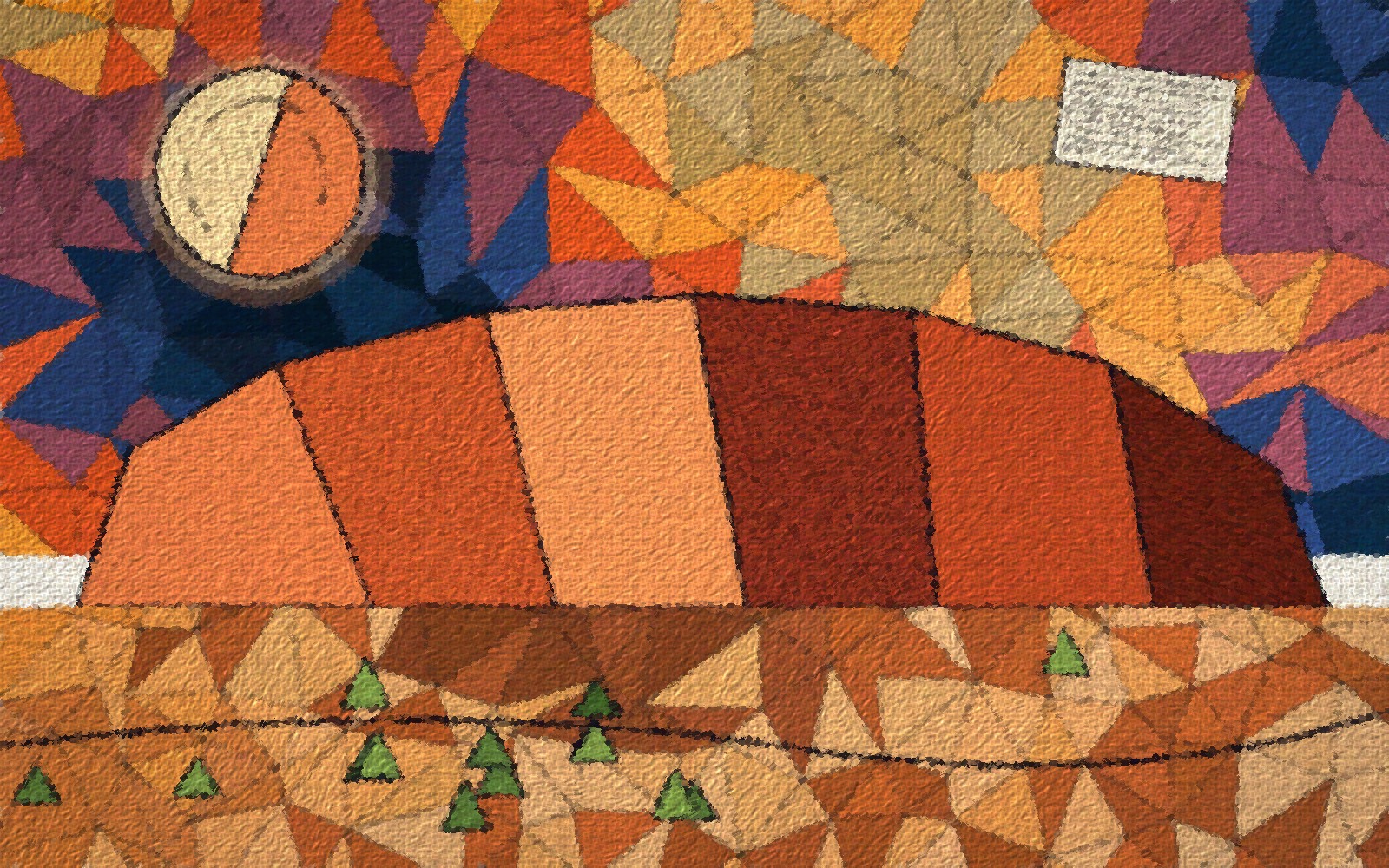
Uluṟu stands about 348 metres high with a circumference of roughly 9.4 km, and most of the rock lies deep underground. The red colour comes from iron oxide in the sandstone. What surprises many people is that the colour keeps changing: glowing red at sunrise and sunset, purple and orange as clouds drift past, and darker on overcast days.
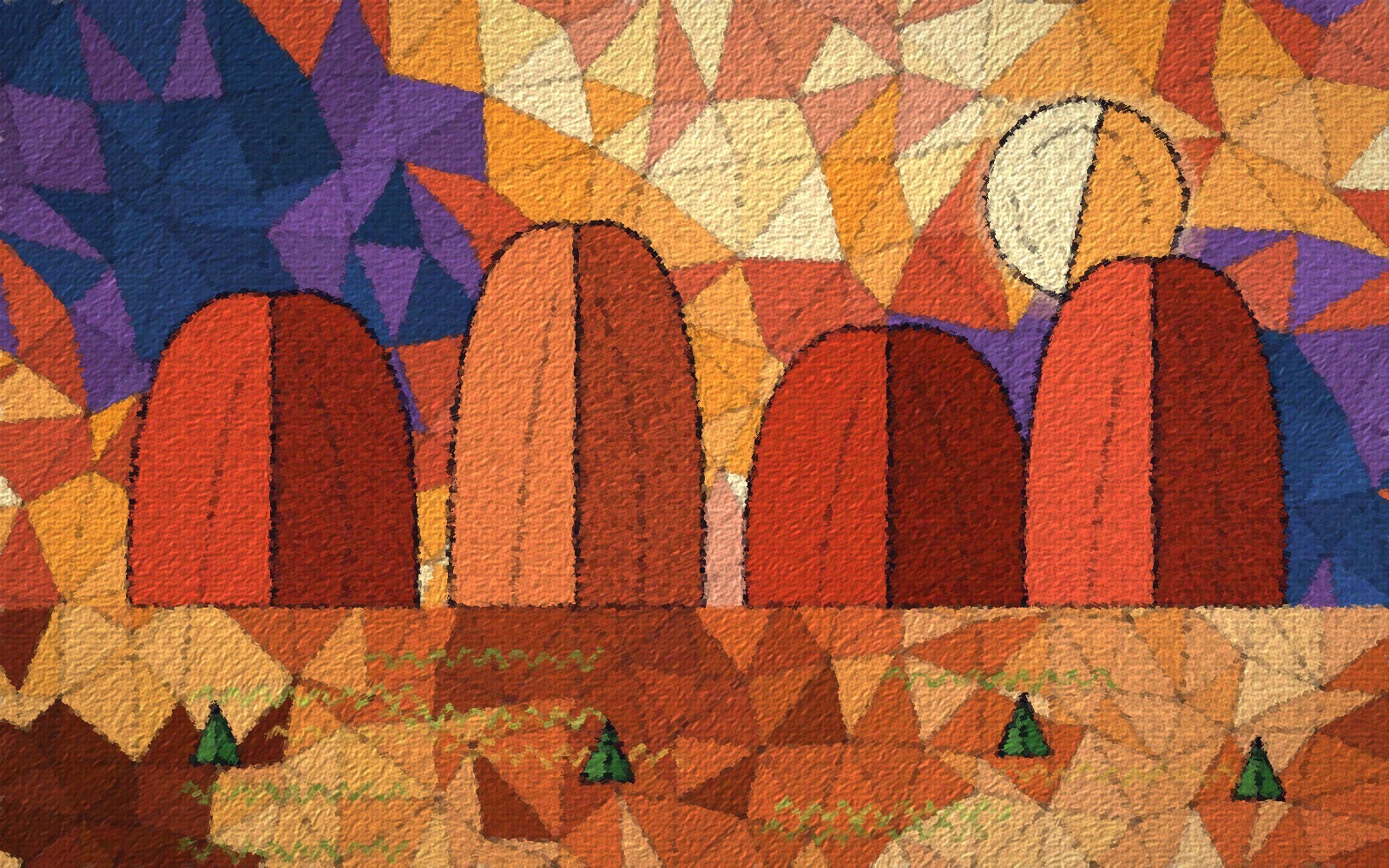
About 25 km west of Uluṟu is Kata Tjuṯa, made up of 36 rounded domes, some rising more than 500 metres above the surrounding plain. The two places feel very different: Uluṟu is a single solid mass, while Kata Tjuṯa is a cluster of domes with wind-swept gorges between them.
The best times to look are early morning and late afternoon, when the light is at its best and the heat is easier to bear. Walking around the base is also the best way to feel the true size of the rock.
History and cultural value
The Anangu, meaning the Pitjantjatjara and Yankunytjatjara people, have lived in this region for tens of thousands of years. They follow a body of law and belief called Tjukurpa, which tells how ancestral beings created the landscape and also sets out how to live, how to care for the land and how people relate to one another. For them, the shapes in the rock are the marks left by those stories.
On 26 October 1985, ownership of the land was handed back to the Anangu, who leased it back to the national parks agency for 99 years for joint management. The current board of management has a majority of Aboriginal members.
The park was inscribed on the UNESCO World Heritage List in 1987 as a dual-listed site, recognised for both its natural and cultural values. The park's board voted to ban climbing from 1 November 2017, and the ban took effect on 26 October 2019. The Anangu have long said this is a sacred place, not a playground, and they hope visitors will come to look, to listen and to learn.
People
Anangu is what they call themselves. In the park, Anangu people work alongside rangers, guides and artists selling their work. Knowledge is divided by gender: men and women each hold their own places and stories, and there are places where photography is not allowed for ceremonial reasons.
The park's Cultural Centre has galleries, and paintings and crafts from the community, and it is the best place to hear an explanation before you head outside. Buying paintings or souvenirs made by Aboriginal artists themselves is a way of supporting the community directly, rather than buying mass-produced goods.
The people of this region also manage fire in the traditional way, burning small patches to keep the land healthy, and this is part of caring for the park.
Famous foods
The Anangu had a tradition of native foods (often called bushfood) long before there were restaurants. Visitors mostly meet these foods through the restaurants at the Ayers Rock Resort:
- Kangaroo meat: lean and richly flavoured, usually pan-seared or grilled.
- Bush tomato: a small, intensely flavoured fruit used in sauces or as a seasoning.
- Quandong: a tart red fruit, often made into jam or used as a pie filling.
- Wattleseed: roasted and ground seeds with an aroma somewhere between coffee and chestnut, often added to baking and ice cream.
- Witchetty grubs: a traditional Aboriginal food, cooked on hot coals; visitors usually hear about it rather than eat it.
When to go and what to know
- Season: autumn and spring (daytime temperatures of about 20 to 30 degrees Celsius) suit most visitors. Winter days are cool, about 16 to 20 degrees, but nights can fall to 2 degrees. Summer is often above 40 degrees, so only go in the early morning.
- Getting there: Uluṟu is about 335 km south-west of Alice Springs. Most visitors fly straight into Ayers Rock Airport and then hire a car or join a tour.
- Walking around the base: the loop track is about 10.6 km long and takes around three and a half hours. When it's hot, start early and finish before 11 am, and carry plenty of water.
- No climbing: climbing Uluṟu has been banned since 26 October 2019.
- Photography: follow the signs, as some areas are off limits for photos.
- Park entry: buy your pass in advance through the Parks Australia booking system.
Want to visit this place with your family?
We plan a private itinerary around your group and ages and quote one all-inclusive price by email.